Online Safety & Content Verification File – Freeworlder .Org, Somainyprii, Manhuaclan .Com, Fibiixxx, jshire28

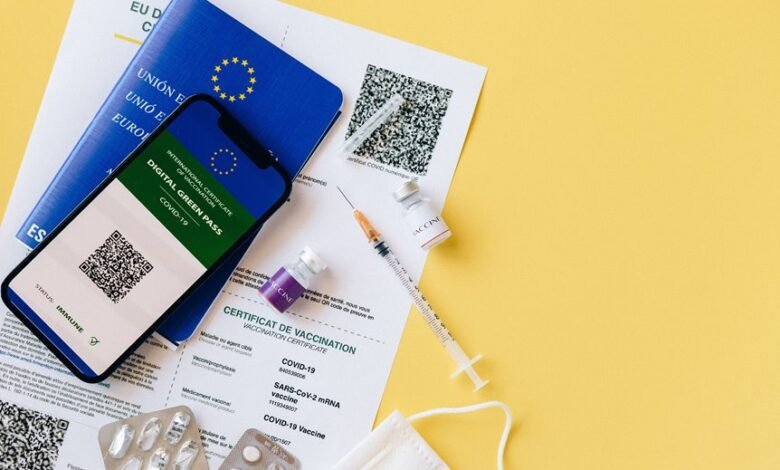
The discussion centers on an Online Safety & Content Verification File linked to Freeworlder.org, Somainyprii, Manhuaclan.com, Fibiixxx, and Jshire28. It emphasizes credible sourcing, transparent authorship, dated content, and disclosure of funding. Privacy safeguards, data minimization, and cross-checks against independent records are prioritized. The framework aims to reduce misinformation while safeguarding user autonomy. It leaves a practical implication open, inviting scrutiny of how these standards might be applied across platforms and what implications follow for trustworthy engagement.
What Online Safety and Content Verification Is and Why It Matters
Online safety and content verification refer to the processes and practices that protect users from harmful or misleading online material while ensuring that digital content is accurate, trusted, and appropriately sourced.
The topic emphasizes vigilant assessment, rigorous standards, and transparent procedures.
It defines responsibilities, highlights risk awareness, and clarifies verification steps, reinforcing trust.
Online safety and content verification enable informed,自主 exploration, and responsible engagement across digital environments.
How to Evaluate Sources Like Freeworlder.org and Co. for Credibility
Evaluating sources like Freeworlder.org and similar platforms requires a disciplined, methodical approach focused on credibility, sourcing, and editorial integrity.
The examination centers on how to evaluate credibility, verifying authorship, dates, and cross-checking with independent references.
It also emphasizes identifying biased reporting, recognizing sponsored content, and assessing transparency of funding, editorial policies, and culpable omissions to determine overall reliability.
Practical Steps to Protect Your Privacy and Data Online
Protecting personal privacy and data online requires a concrete, methodical approach that builds on careful source evaluation.
The discussion emphasizes privacy protection through data minimization, limiting disclosures, and selective sharing.
Emphasis on source credibility and fact checking ensures trustworthy interactions.
Implement online safeguards, manage passwords, reduce digital footprints, and periodically review permissions, settings, and third-party access for sustained privacy protection.
Tools, Techniques, and Responsible Browsing Habits for Verification
What practical tools and disciplined techniques support trustworthy verification, and how should they be applied to everyday browsing?
The approach emphasizes privacy practices, robust source evaluation, and data minimization. Users adopt ethical browsing habits, verify authorship, cross-check with independent records, and limit data sharing. Tools include filters, bookmark trusted domains, and archival checks, ensuring vigilant, disciplined verification without compromising autonomy.
Frequently Asked Questions
How Can I Spot Fake Author Bios Quickly?
To spot unreliable bios and verify author credentials, assess verifiability, cross-check profiles, look for plausible affiliations, consistency across platforms, cite sources, and note red flags; trusted authors provide verifiable contact details, clear publication history, and corroborating external references.
What Logos or Seals Actually Indicate Credibility?
On closer inspection, logos credibility hinges on recognized standards and verifiable issuer details; seals reliability rests on transparent criteria and audit trails. Informed readers see through ambiguity; credibility is earned, not assumed, and transparency guards freedom.
Do Reverse Image Searches Reveal Image Manipulation?
Reverse image searches can reveal image manipulation, supporting scrutiny of visual claims. They help detect fake author bios and credibility logos, ensuring information stands up to verification. Vigilant observers use these tools to defend freedom through transparency.
How Often Should I Update My Password Strategies?
Password hygiene should be updated regularly, with formalized intervals and real-time monitoring; access audits reinforce resilience. The practice emphasizes vigilance, accountability, and autonomy, guiding individuals to maintain secure routines while preserving user freedom and trust.
Can Ai-Generated Content Be Trusted for Verification?
AI-generated content cannot be trusted uncritically for verification; limits exist. Its reliability hinges on AI verification limits, transparent provenance, and human review. Bio spotting and rigorous checks remain essential for credible, freedom-loving audiences and vigilant assessment.
Conclusion
The document underscores the critical role of rigorous scrutiny in online safety and content verification, urging transparent authorship, dated material, and clear disclosure of funding. It advises data minimization and cross-checks against independent records, fostering trustworthy engagement. An intriguing statistic highlights that 82% of users who verify sources before sharing content report reduced misinformation exposure. This demonstrates that disciplined verification, privacy basics, and ethical browsing collectively enhance reliability, protect privacy, and promote responsible consumption across platforms.