Air conditioning systems in Peoria work under extreme conditions during long summer seasons. Temperatures often rise well above comfortable levels, and cooling systems must run for many hours each day to keep indoor spaces livable. When an air conditioner struggles to cool properly, many homeowners assume the system itself has reached the end of its life. In many situations, the issue begins with something much simpler: heat buildup around the condenser coil.
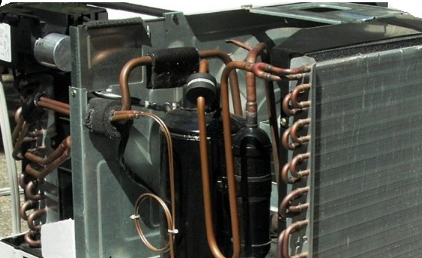
The condenser coil plays a major role in the cooling process. It sits inside the outdoor unit and releases heat that the system removes from inside the home. When the coil cannot release that heat efficiently, the entire cooling process begins to slow down. The air conditioner must work harder, run longer, and still may not produce the comfort homeowners expect.
Understanding how condenser coil heat buildup affects cooling performance can help homeowners recognize problems early and maintain reliable cooling throughout the hottest months in Peoria.
The Role of the Condenser Coil in Cooling
Air conditioners cool homes by removing heat from indoor air and transferring that heat outside. The condenser coil performs the final stage of this process. Warm refrigerant travels from the indoor portion of the system to the outdoor condenser unit. Once the refrigerant reaches the condenser coil, it releases the heat it collected from inside the home.
A fan inside the outdoor unit pulls air through the condenser coil to help release that heat. This airflow allows the refrigerant to cool down so the cycle can begin again. When the coil stays clean and airflow moves freely, the system can remove heat efficiently.
Cooling systems rely on this heat exchange process. If the condenser coil cannot release heat effectively, the refrigerant stays too warm and the cooling process slows down.
Why Heat Buildup Happens Around the Condenser Coil
Heat buildup occurs when the condenser coil cannot release heat fast enough. Several factors can contribute to this problem, especially in areas like Peoria where dust and extreme temperatures are common.
Outdoor units sit in open environments where debris, dirt, and dust gather easily. Over time, this buildup can settle on the coil surfaces. Even a thin layer of dust can reduce the coil’s ability to release heat. Plants, grass clippings, and leaves can also collect around the outdoor unit. When these materials block airflow, the condenser fan cannot move enough air through the coil.
High outdoor temperatures add another challenge. When the air surrounding the unit becomes extremely hot, the system must work harder to push heat out of the coil. These conditions combine to create heat buildup that slows down cooling performance.
The Impact of Dust and Desert Debris
Peoria sits in a desert environment where dust and fine particles travel easily through the air. Wind can carry this dust toward outdoor air conditioning units throughout the year. Dust settles on the thin metal surfaces of condenser coils. These surfaces help release heat from the refrigerant. When dust covers them, the coil loses part of its ability to transfer heat to the surrounding air.
Debris such as grass, leaves, and small twigs may also collect along the outer fins of the unit. These materials restrict airflow around the coil. Restricted airflow means the fan cannot remove heat as efficiently. As heat buildup increases, the cooling system must work harder to achieve the same indoor temperature.
How Heat Buildup Affects Cooling Efficiency
Heat buildup inside the condenser coil changes how the air conditioner performs. The system must release heat outdoors before it can continue cooling indoor air. When the condenser coil remains too hot, refrigerant cannot cool down properly. The refrigerant returns to the indoor portion of the system still carrying excess heat. This condition reduces the system’s ability to absorb heat from indoor air. As a result, the air conditioner produces weaker cooling.
The thermostat may continue calling for cooling because indoor temperatures remain higher than the desired setting. The system runs longer cycles while still struggling to deliver comfortable indoor temperatures. Long run times place additional strain on mechanical components and increase energy use.
Signs That Condenser Coil Heat Buildup May Be Present
Homeowners often notice warning signs before cooling performance declines severely. These symptoms often point toward airflow or heat transfer problems in the outdoor unit. One common sign involves longer cooling cycles. The air conditioner may run for extended periods without reaching the thermostat setting.
Warm air coming from supply vents may also appear during extremely hot afternoons. The air may feel cooler than room temperature but not cold enough to reduce indoor heat quickly. Another possible sign involves increased outdoor unit noise. The condenser fan may run constantly while trying to remove heat from the coil.
Higher indoor humidity can also occur because the system struggles to remove heat efficiently from indoor air. These symptoms do not always confirm a condenser coil problem, but they often indicate reduced heat transfer performance.
Why Outdoor Unit Placement Matters
The location of the outdoor unit can influence how well the condenser coil releases heat. Units placed in direct sunlight during the hottest part of the day may experience higher surrounding temperatures.
Hot air around the unit makes it harder for the coil to release heat. The system must push heat into already warm air. Units installed near walls, fences, or landscaping may also face airflow restrictions. Limited space around the condenser can trap hot air near the coil.
Proper clearance around the unit helps airflow move freely. Adequate airflow allows the condenser fan to pull cooler outdoor air through the coil and remove heat more efficiently.
See also: How Data Is Powering the Next Generation of Businesses
How Long Run Times Increase Heat Stress
Air conditioning systems in Peoria often run continuously during extreme summer heat. Long run times increase heat stress inside the condenser coil. As the system runs, heat builds up within the outdoor unit. If airflow around the coil remains restricted, this heat accumulates faster than the system can release it.
The outdoor unit becomes hotter and hotter while trying to remove indoor heat. Eventually the system loses efficiency and cooling performance drops. Continuous operation also increases wear on motors and electrical components. Preventing heat buildup helps reduce this strain and supports reliable system operation.
Maintenance Helps Prevent Condenser Coil Heat Problems
Routine maintenance plays a major role in preventing heat buildup around the condenser coil. Technicians often inspect outdoor units during maintenance visits to ensure airflow remains unobstructed. Cleaning the coil helps remove dust and debris that restrict heat transfer. This process restores the coil’s ability to release heat effectively.
Technicians also check the surrounding area of the outdoor unit. Removing debris and ensuring proper airflow helps prevent hot air from circulating back into the coil. Regular inspections allow technicians to detect early signs of heat buildup before they affect cooling performance.
Simple Steps Homeowners Can Take
Homeowners can also help reduce heat buildup around their air conditioning units. Keeping the outdoor area clean makes a noticeable difference. Leaves, grass clippings, and other debris should not accumulate near the outdoor unit. Clearing this debris helps maintain airflow through the condenser coil.
Plants and shrubs should remain trimmed so they do not grow too close to the unit. Adequate space around the equipment allows air to circulate freely. Air filters inside the home should also remain clean. Dirty filters can restrict airflow inside the system and contribute to cooling inefficiency. These small habits support the overall performance of the cooling system.
Reliable Cooling Depends on Efficient Heat Release
Cooling systems depend on the ability to move heat out of the home and release it outdoors. The condenser coil plays a critical role in this process. Heat buildup around the coil can disrupt the entire cooling cycle. When the system cannot release heat effectively, cooling performance declines and the air conditioner must work harder to maintain indoor comfort.
Desert environments like Peoria increase the importance of proper airflow and clean condenser coils. Dust, debris, and extreme heat create conditions that can quickly affect system performance.
Understanding how heat buildup affects air conditioning systems helps homeowners recognize the importance of airflow, maintenance, and proper outdoor unit conditions. Clean coils and strong airflow allow cooling systems to perform efficiently and maintain comfortable indoor temperatures even during the hottest summer days.